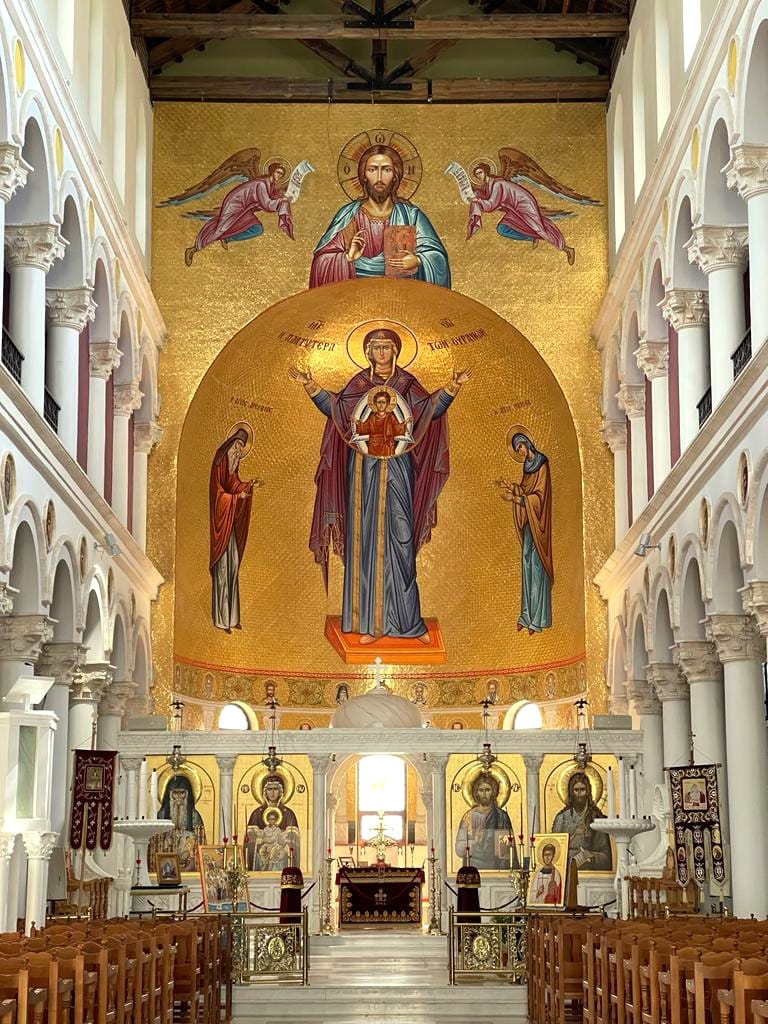
Apse with Christ Pantocrator
CATHEDRAL OF THE ASCENSION
A mosaic is a decorative work born from the artistic assembly of diverse elements — marble tesserae, granite, glass and other materials in many colours — bedded together with a binder such as mortar or mastic. The result is an enduring art form, able to turn any surface into a true painting.
There are two main families of mosaic: floor mosaics and wall mosaics — each with its own techniques and applications, yet grounded in the same artistic mastery.
The mosaic technique was developed and refined by the Greeks in the 5th and 6th centuries BC. The finest floor surviving today is considered to be the one at Pella, birthplace of Alexander the Great — proof of the artistic refinement already reached in antiquity.
It is no coincidence that the very word “mosaic” derives from the Greek mouseion, a place dedicated to the Muses. It was the Romans, however, who raised the craft to a major art, spreading it across the empire — from private villas to public buildings, with floors depicting everyday life, landscapes, hunting scenes and mythological figures.
If the Romans perfected the floor mosaic, the Byzantines brought the wall mosaic to its height. The most eloquent example remains Ravenna in northern Italy, where monuments such as the Basilica of San Vitale and the Mausoleum of Galla Placidia still hold golden mosaics of an almost unreal brilliance, untouched by the centuries. There, the tessera technique — small pieces of glass and stone set at a slight angle to catch light from different directions — turned church walls and domes into genuine “paintings of light”, with religious scenes and imperial portraits of rarely equalled refinement.
This Byzantine tradition underpins the techniques Mozaic Vitralii SRL still uses today: the double-glazed mosaic, which recreates the chromatic depth and play of light so characteristic of the art of Ravenna.
Centuries later, the art of mosaic found a new centre: Venice. There, master glassmakers developed their own methods for producing smalti — opaque coloured glass, often backed with gold leaf — used to adorn St Mark's Basilica and other Venetian monuments.
From that tradition, the celebrated Orsoni furnace was born in 1888 — the only one in the world still producing classic Venetian mosaic according to traditional recipes and processes handed down through generations. Orsoni mosaic remains the benchmark of excellence, prized for the purity of its colours and for its genuine, hand-applied gold leaf.
At Mozaic Vitralii SRL we honour this heritage of more than two thousand years by genuinely combining several traditions: we work with classic Orsoni Venetian mosaic alongside our own patented techniques — double-fused molten glass and double-glazed mosaic — to create works that unite the Byzantine refinement of Ravenna, the Venetian brilliance of gold leaf and modern technical innovation.
Each project we sign is therefore not mere decoration, but a living bridge between a millennia-old art and a contemporary artistic vision.
CATHEDRAL OF THE ASCENSION
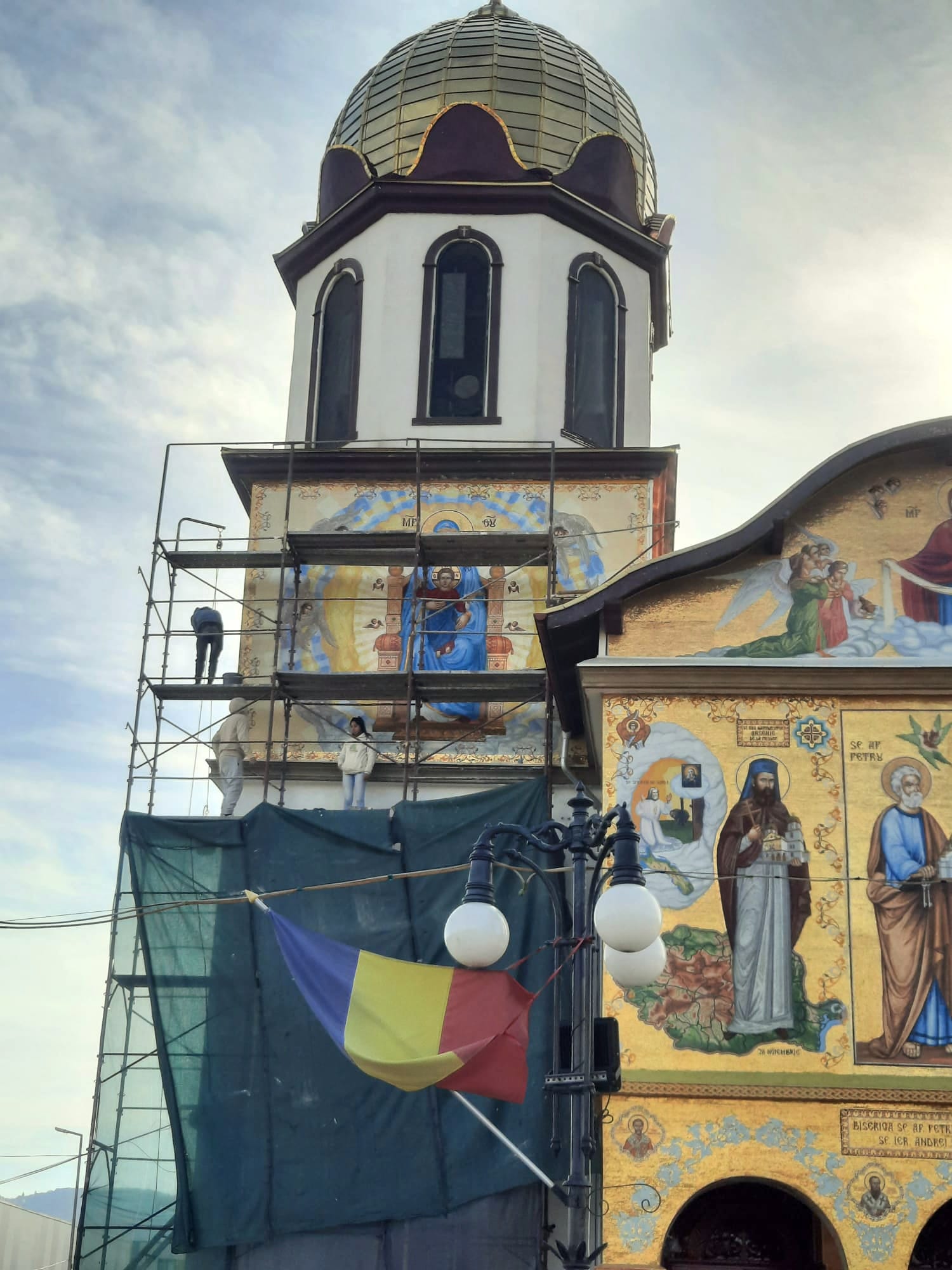
ORTHODOX CHURCH
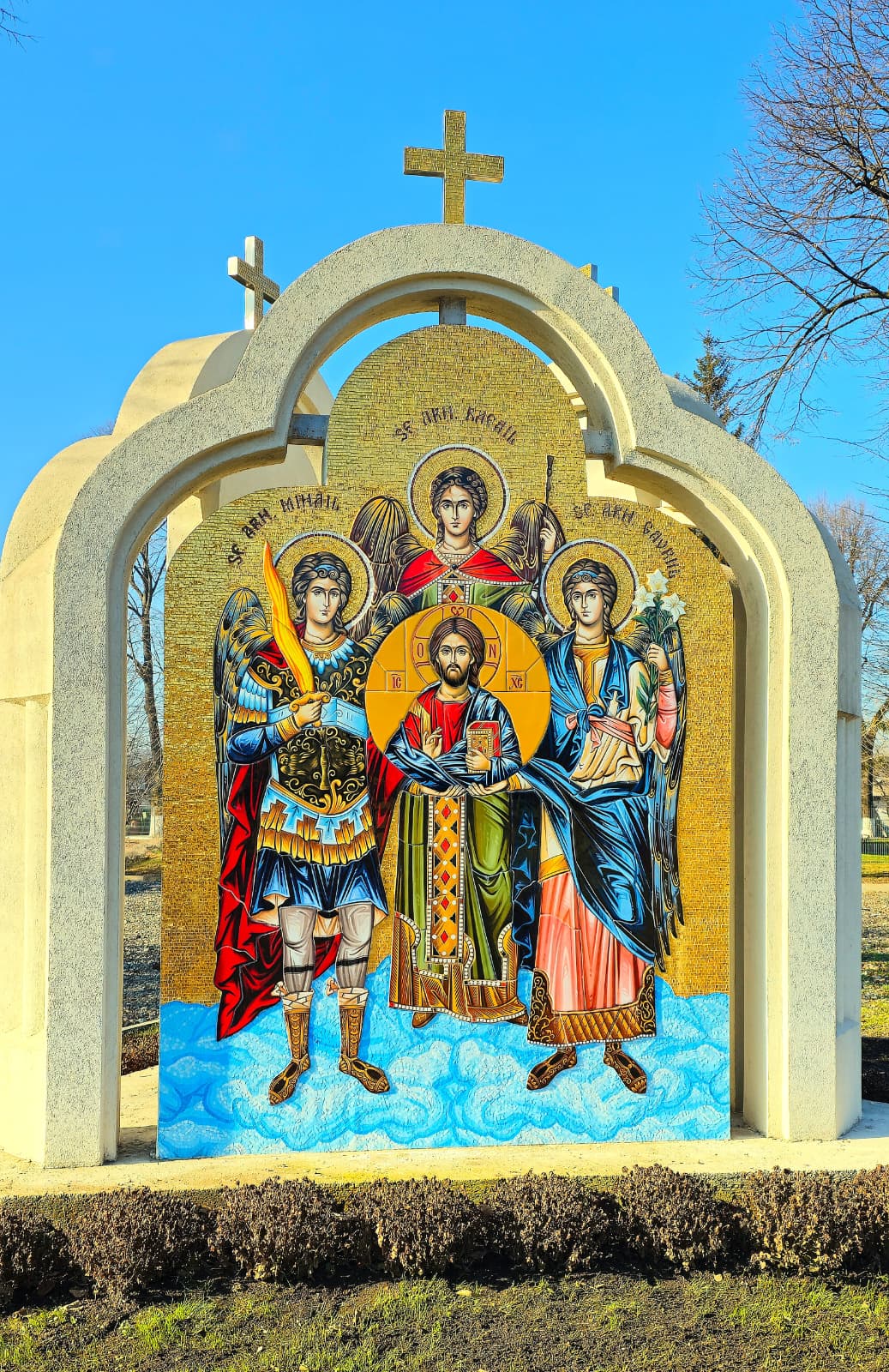
WAYSIDE SHRINE
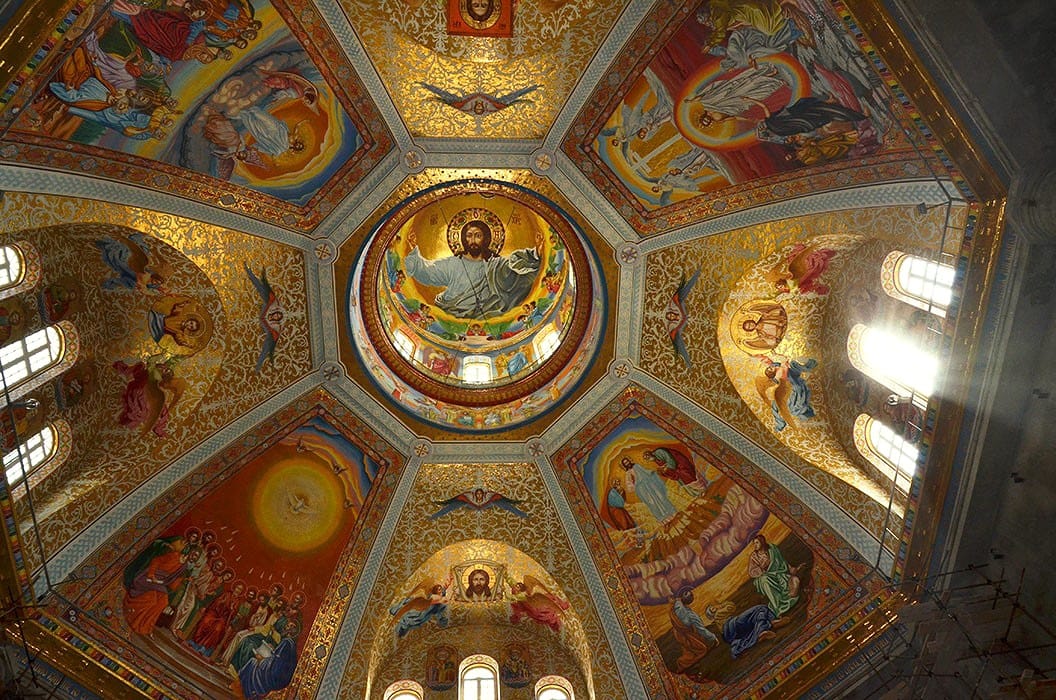
CHURCH DOME
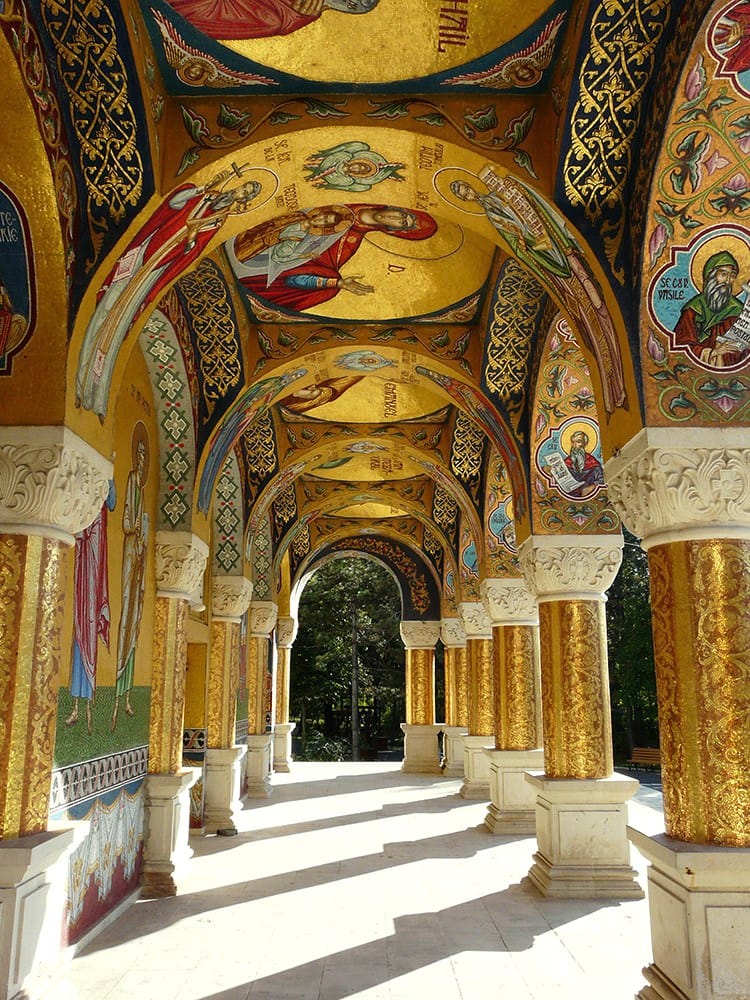
COLONNADE
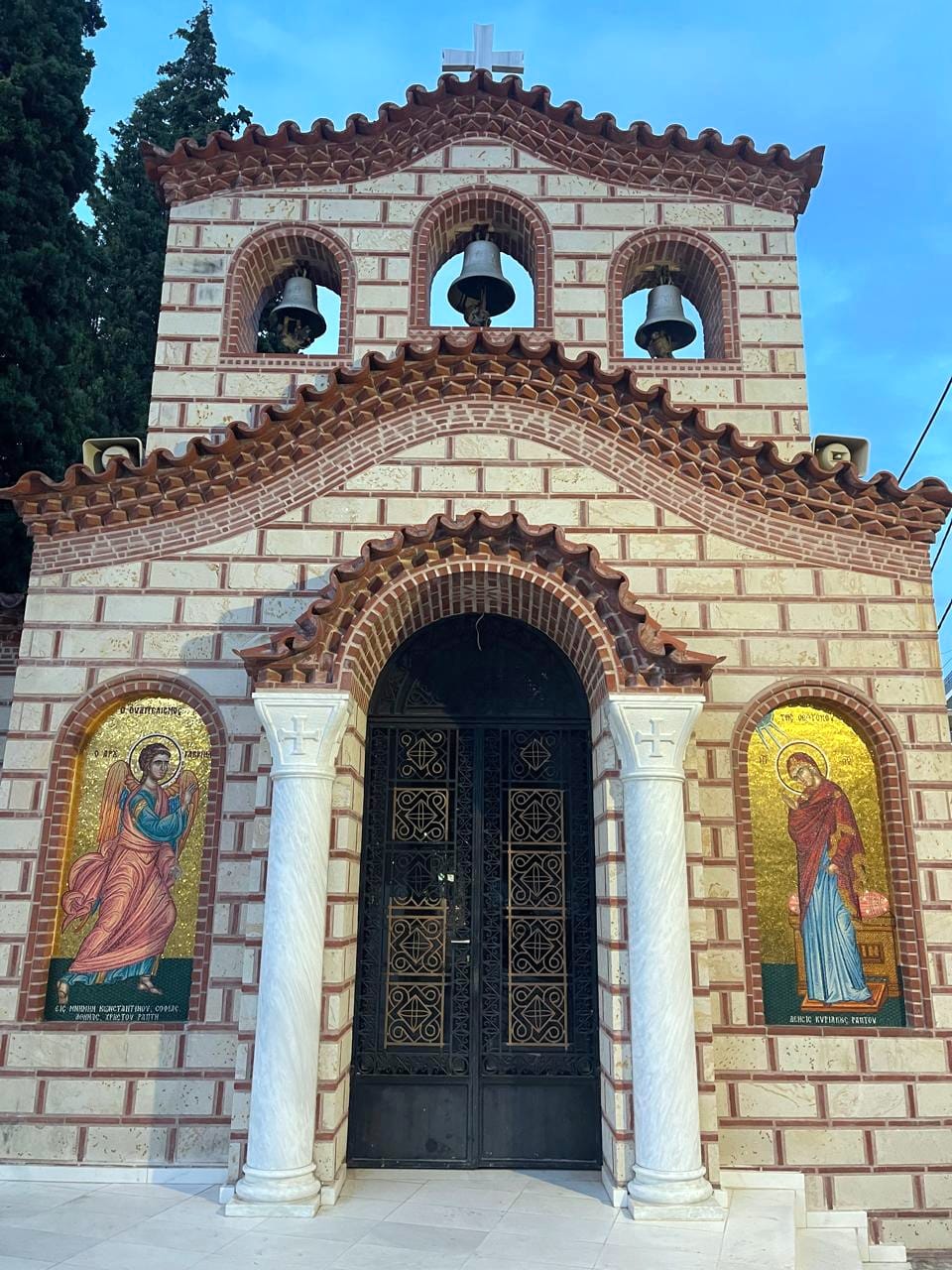
ORTHODOX CHAPEL
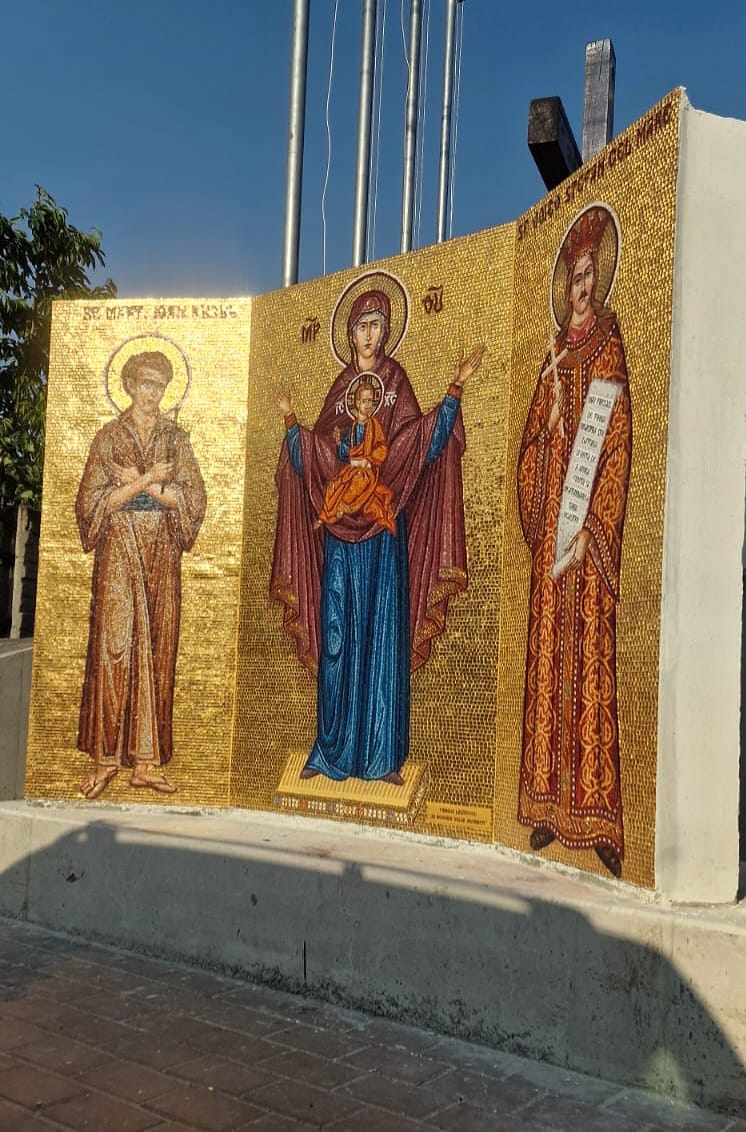
WAYSIDE SHRINE
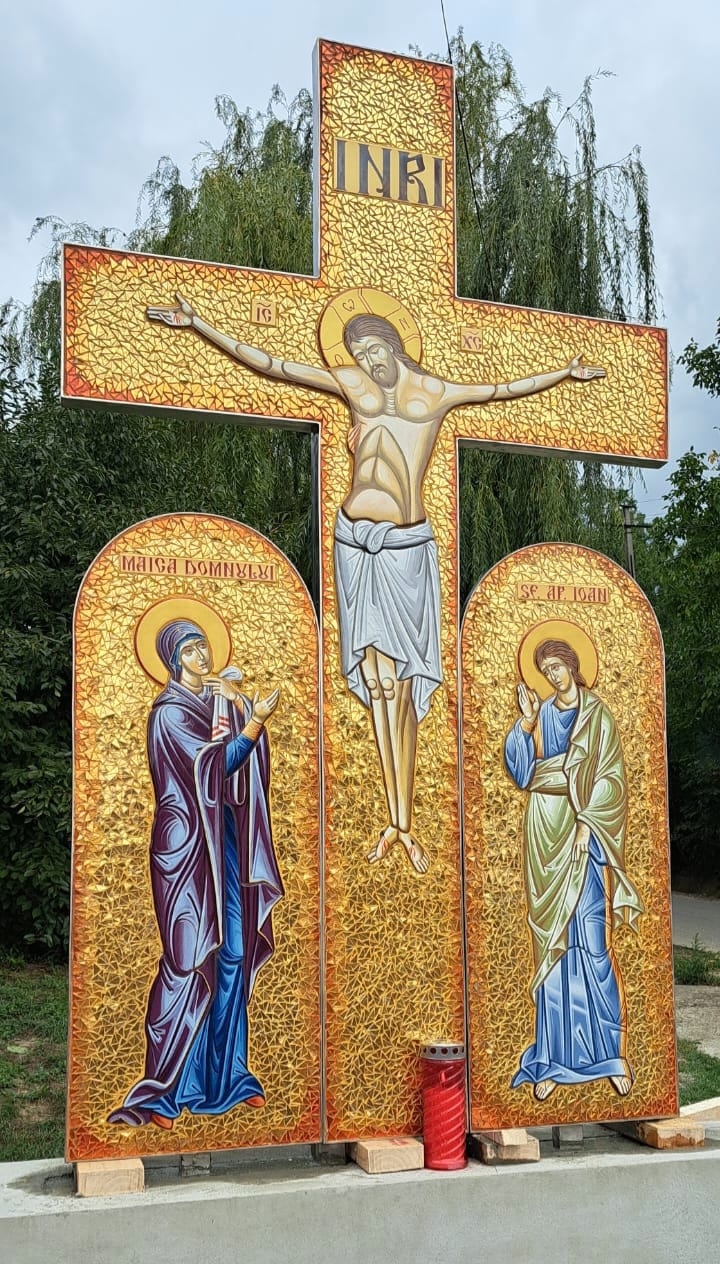
WAYSIDE SHRINE
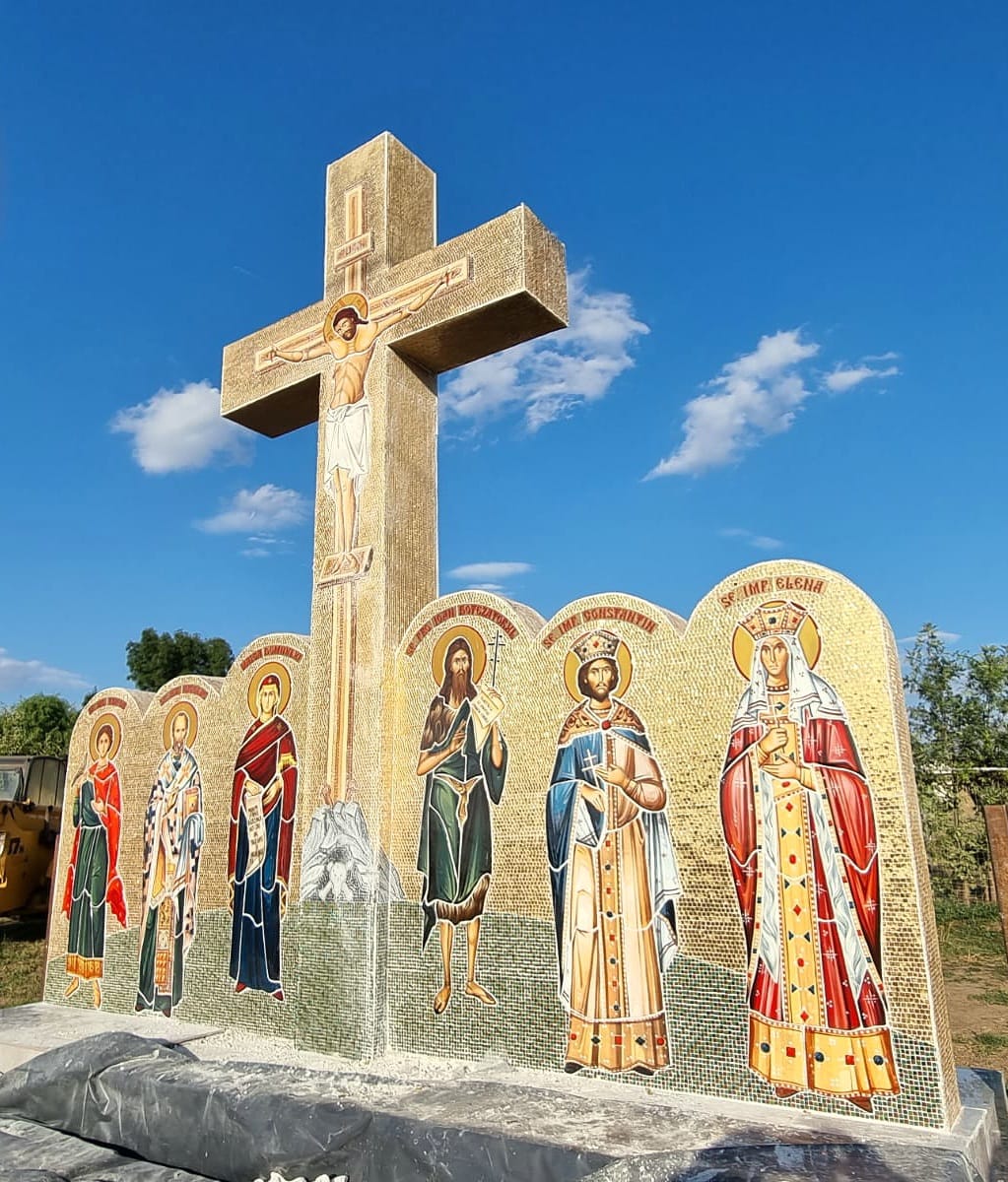
MEMORIAL SHRINE
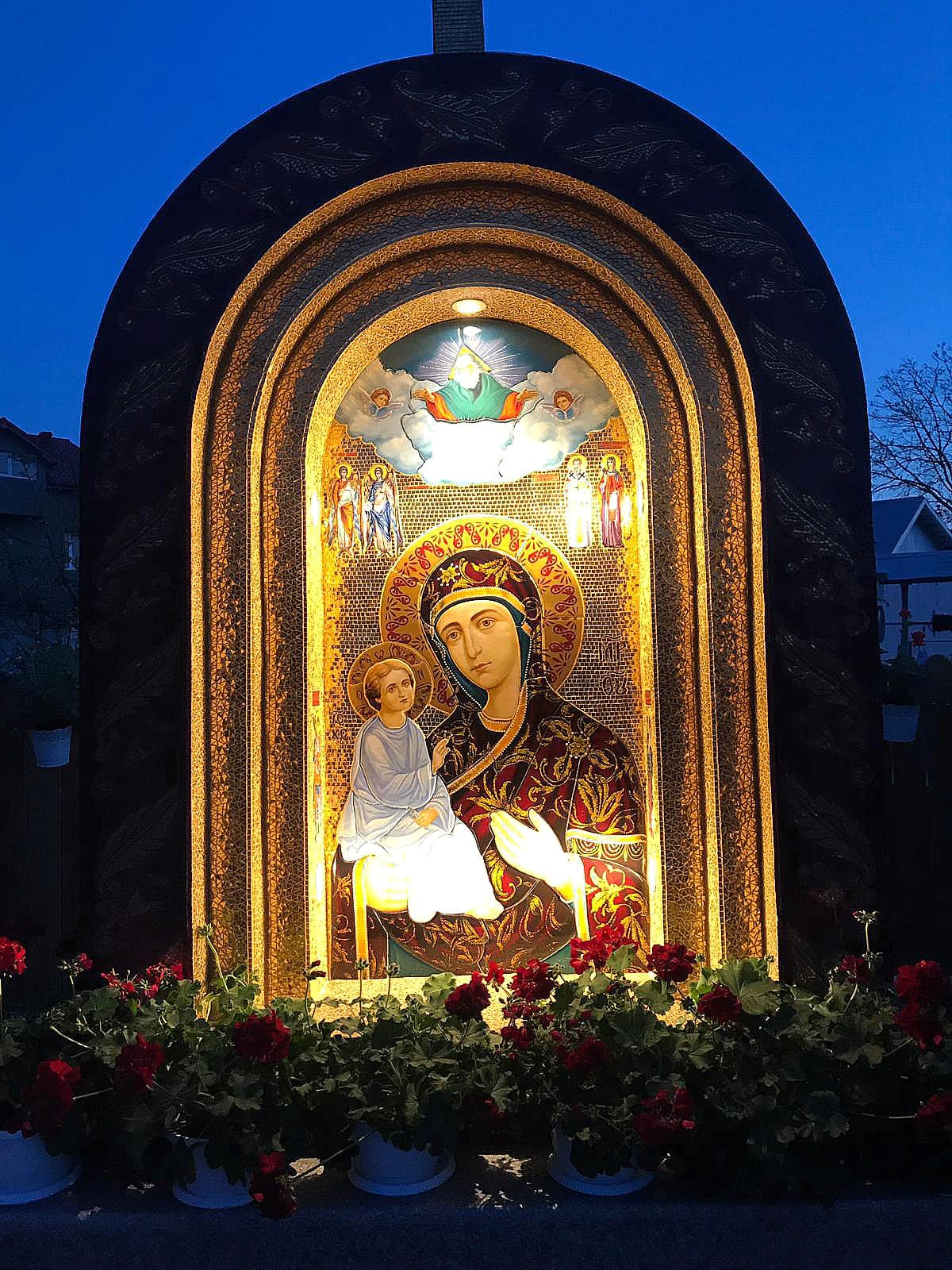
ILLUMINATED SHRINE
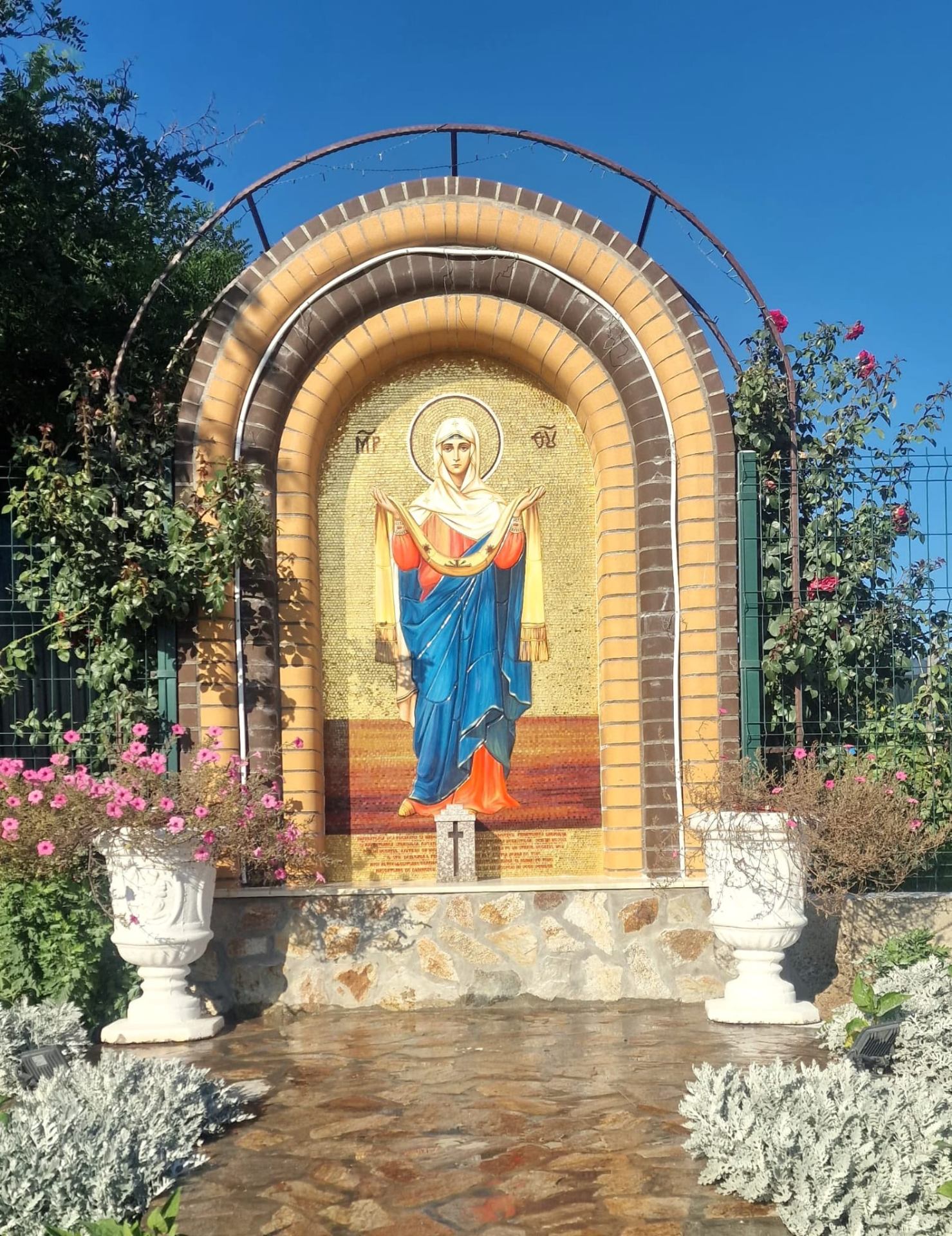
GARDEN SHRINE